
Commercial Real Estate Investing in Tampa: Strategies for Long-Term Returns
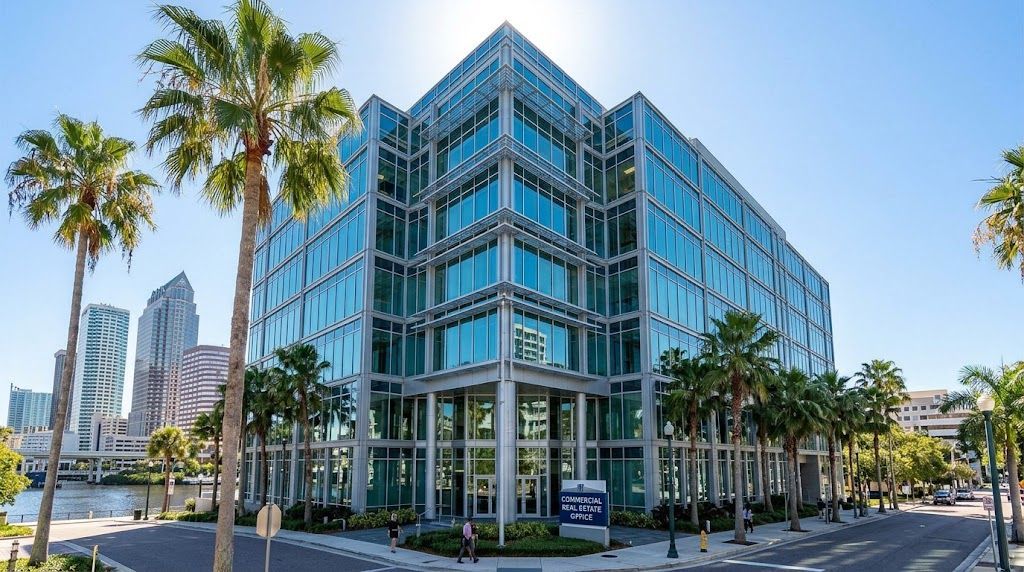
Commercial real estate investing in Tampa can be a smart way to build long-term wealth through a mix of income, appreciation, and diversification. Tampa continues to attract new residents and businesses, which supports demand for office, industrial, retail, medical, multifamily, and development sites across Tampa Bay. The key is investing with a clear plan and a disciplined process, not simply buying what is available.
In this guide, you will learn practical investment strategies, how to evaluate opportunities in Tampa, which property types tend to fit different goals, and how to reduce risk during underwriting and due diligence. If you are planning to buy your first property or expand an existing portfolio, these principles will help you make better decisions and protect your downside.
Why Tampa Is Attractive for Commercial Investors
Tampa is not a single market. It is a group of submarkets with different tenant bases, traffic patterns, zoning characteristics, and pricing. That diversity is useful because it gives investors options. Some areas are built for stable, credit-tenant income. Others are better for value-add improvements, redevelopment, or site selection tied to business growth corridors.
Investors often like Tampa for several reasons:
Population growth and new household formation that supports retail, services, and housing demand
A business-friendly environment and continued corporate expansion
A logistics-friendly location that supports warehouse and distribution uses
Strong medical demand that supports medical office and related service retail
A steady pipeline of redevelopment in parts of Tampa Bay that can lift property values over time
The opportunity is real, but the market still requires careful underwriting. Deals can look great on the surface and fall apart when expenses, tenant risk, or lease terms are analyzed properly.
Start With Your Investment Goal and Hold Strategy
Before you look at listings, define what a good deal looks like for you. Most Tampa commercial buyers fall into one of these categories:
Owner-user buyer who wants to purchase a building for their business and reduce long-term occupancy risk
Income-focused investor who wants dependable cash flow and minimal surprises
Value-add investor who wants to improve net operating income through renovations, lease-up, or better management
Development-focused investor who wants land or a redevelopment opportunity aligned with zoning and future demand
Portfolio builder who wants to diversify across property types or submarkets
A short, clear set of goals makes everything easier, including financing, property selection, and negotiations.
Questions to answer upfront:
Do you prioritize cash flow now or appreciation later?
How long do you plan to hold the property?
How much management intensity are you willing to take on?
Do you want long leases with predictable income or flexible leases with higher upside?
What is your target return threshold and your maximum acceptable risk?
The Three Core Strategy Buckets and How They Work in Tampa
Most commercial investments fit into three broad strategy buckets. Understanding them helps you set expectations and avoid mismatched deals.
Core Strategy
Core deals are stabilized properties in strong locations with reliable tenants and limited deferred maintenance. They tend to trade at pricing that reflects lower perceived risk.
What you typically get:
More predictable income
Fewer major capital surprises
More lender-friendly terms
What you often give up:
Lower upside
More competition from other buyers
Value-Add Strategy
Value-add is where many Tampa investors try to outperform the market. The property may need updates, better leasing, higher rents, or improved operations. If executed correctly, value-add can raise net operating income and boost value.
Common value-add levers:
Renovating common areas or storefronts
Improving signage, visibility, and curb appeal
Re-tenanting to stronger operators
Restructuring leases for better expense recovery
Addressing deferred maintenance that scares off other buyers
Opportunistic Strategy
Opportunistic deals involve higher uncertainty, such as heavy repositioning, vacant buildings, major redevelopment, or land with entitlement challenges.
Potential upside:
Highest returns when executed well
Primary risks:
Longer timelines
Higher capital requirements
More moving parts, including zoning, permitting, and construction costs
Which Property Types Fit Which Investor Goals
Tampa Commercial Real Estate works across office, medical, retail, industrial, land, investment, and multifamily. Each category can work, but they behave differently.
Office and Professional Buildings
Office can perform well when it is in the right location and has the right tenant profile. In Tampa, professional office and medical-adjacent office can be attractive when demand is stable.
Best fit for:
Owner-users
Investors seeking smaller multi-tenant buildings with steady demand
Buyers who can manage leasing and tenant relationships
Watch-outs:
Lease rollover risk and tenant improvement costs
Older buildings with expensive mechanical issues
Parking ratios and access limitations
Medical Office
Medical office often behaves differently than general office due to patient flow, buildout complexity, and proximity needs to hospitals, clinics, and residential areas.
Best fit for:
Investors who want sticky tenancy and specialized demand
Owner-users in healthcare
Watch-outs:
High buildout costs and longer lead times
Stricter use requirements and compliance considerations
Retail
Retail can be excellent when anchored by necessity services or located in strong demographic pockets. Service retail and medical-related retail often remains resilient because customers must be physically present.
Best fit for:
Investors who understand trade areas and tenant quality
Buyers who want visible properties with strong access
Watch-outs:
Tenant turnover risk in weaker corridors
Signage limitations and co-tenancy clauses
Unexpected common area maintenance reconciliations
Industrial and Flex
Industrial has been one of the most in-demand categories due to logistics, contractors, and regional distribution. Flex can be attractive when it balances warehouse with a small office component.
Best fit for:
Investors seeking longer leases and lower management intensity
Owner-users needing warehouse or contractor space
Watch-outs:
Dock and clear height limitations
Zoning and truck access constraints
Roof and slab issues in older inventory
Multifamily
Multifamily remains popular due to housing demand. Smaller multifamily can be management-intensive but can also offer stable occupancy.
Best fit for:
Cash-flow investors
Buyers comfortable with property management
Watch-outs:
Deferred maintenance and hidden plumbing or electrical issues
Insurance and expense volatility
Rent growth assumptions that are too aggressive
Land and Development Sites
Land can be powerful for long-term upside, especially when aligned with growth corridors and realistic entitlement paths.
Best fit for:
Investors with patience and a clear exit plan
Developers or buyers with strong zoning and permitting support
Watch-outs:
Entitlement uncertainty
Holding costs and timeline risk
Infrastructure and utility availability
How to Evaluate a Tampa Deal Like a Pro
A strong commercial investment process is repeatable. It is less about intuition and more about getting the inputs right.
1. Underwrite Net Operating Income Correctly
Net operating income is not the same as the seller’s pro forma. Use actual trailing expenses when possible and be conservative about future rent growth.
Key items to verify:
Current rent roll and lease abstracts
Actual operating statements and invoices
Vacancy and credit loss assumptions
Property taxes and insurance projections
Repairs and maintenance history
If a deal only works with perfect assumptions, it is not a deal.
2. Understand Cap Rate, But Do Not Worship It
Cap rate is a useful snapshot, but it is not the full story. Two properties with the same cap rate can have very different risk profiles depending on lease length, tenant quality, and expense structure.
Use cap rates alongside:
Tenant rollover schedule
Lease terms and expense recovery
Capital expenditure needs
Market rent comparisons
3. Build a Lease Rollover Timeline
In Tampa, many investment problems show up at renewal time. Create a simple schedule of when leases expire and what it would cost to backfill space.
Include:
Lease expiry dates
Renewal options
Tenant improvement expectations
Leasing commission assumptions
Downtime assumptions
4. Stress-Test Your Assumptions
A simple stress test can protect you from market shifts.
Example stress tests:
What happens if vacancy increases by 5 to 10 percent?
What happens if insurance increases materially?
What happens if interest rates increase before you lock financing?
What happens if a key tenant leaves at renewal?
Due Diligence That Protects Your Downside
Due diligence is where investors either confirm a good deal or discover hidden risk. Build time into your contract for thorough review.
A practical due diligence checklist includes:
Property condition assessment including roof, HVAC, electrical, plumbing
Environmental review appropriate to the property type and prior uses
Survey and title review for easements, access, and encroachments
Zoning verification and permitted use confirmation
Lease review including CAM language, audit rights, and tenant options
Estoppel and SNDA coordination when applicable
Financing Strategies That Improve Returns
Financing can shape your investment outcome as much as the property itself. For Tampa investors, common approaches include conventional commercial loans for investment properties and SBA loans for owner-users.
Owner-user note:
If you plan to occupy the space, SBA 504 or SBA 7(a) financing may allow lower down payments and longer amortization compared to typical investment loans. An experienced broker can help you target properties that fit lender expectations early in the search.
A Simple Comparison Table for Strategy Fit
| Strategy Type | Risk Level | Typical Timeline | Best Property Fit in Tampa | Best For |
|---|---|---|---|---|
| Core | Lower | Short to medium | Stabilized industrial, strong retail centers, well-leased office | Predictable income |
| Value-add | Medium | Medium | Under-managed retail, outdated office, partially vacant flex | Increasing NOI |
| Opportunistic | Higher | Medium to long | Vacancy, redevelopment, land entitlement | Maximum upside |
Why Local Brokerage Matters in Tampa
Commercial real estate is local. Small differences in submarket, traffic patterns, tenant demand, and zoning can have a major impact on value. Local expertise helps investors avoid mispricing risk and helps identify opportunities that never hit the public market.
Tampa Commercial Real Estate supports investors through the full process:
Deal sourcing and off-market outreach
Submarket and pricing analysis
Comparable sales and rent benchmarking
Negotiation strategy and contract terms
Due diligence coordination and transaction management
Frequently Asked Questions
Is Tampa good for first-time commercial real estate investors?
Yes, Tampa offers a wide range of deal sizes and property types. The best approach for first-time investors is to choose a clear strategy, stay conservative on underwriting, and work with local professionals who can identify real risks early.
What is the biggest risk when investing in commercial property?
For many investors, the biggest risk is lease and tenant risk. A property can look strong today, but if leases roll over soon or tenants are weak, income can change quickly. Always review lease terms and build a rollover plan.
How do I know if a commercial property is overpriced?
If the deal only works using aggressive rent growth, unrealistic expenses, or zero vacancy, it is likely overpriced. Compare rents to market, validate expenses with actual invoices, and pressure test vacancy and capital needs.
Should I invest in office, retail, or industrial in Tampa?
It depends on your goals and risk tolerance. Industrial often offers strong demand and simpler management. Retail can perform very well in the right trade area with necessity and service tenants. Office can be attractive for owner-users and well-located professional buildings, but lease-up can be more complex.
How long does it take to buy a commercial property in Tampa?
Many transactions take 60 to 120 days from contract to closing, depending on financing and due diligence complexity. Larger or more complex properties can take longer.
Next Steps: Build a Long-Term Investment Plan in Tampa
Commercial real estate investing in Tampa can produce strong long-term returns when you buy the right property, structure the right deal, and manage risk through disciplined underwriting and due diligence. The fastest way to improve outcomes is to work with a local commercial team that understands Tampa Bay submarkets and the deal details that matter.
To discuss investment opportunities or review a potential acquisition:
Tampa Commercial Real Estate
412 East Madison Street, Suite 1204, Tampa, FL
Phone (813) 785-3665
Email steven@tampacommercialrealestate.com
Call today to discuss your investment goals and get a short list of Tampa opportunities that match your strategy.
Ready to Make Your Next Move?
Contact our Tampa commercial real estate team today. We’re here to help you buy, sell, or lease with confidence.